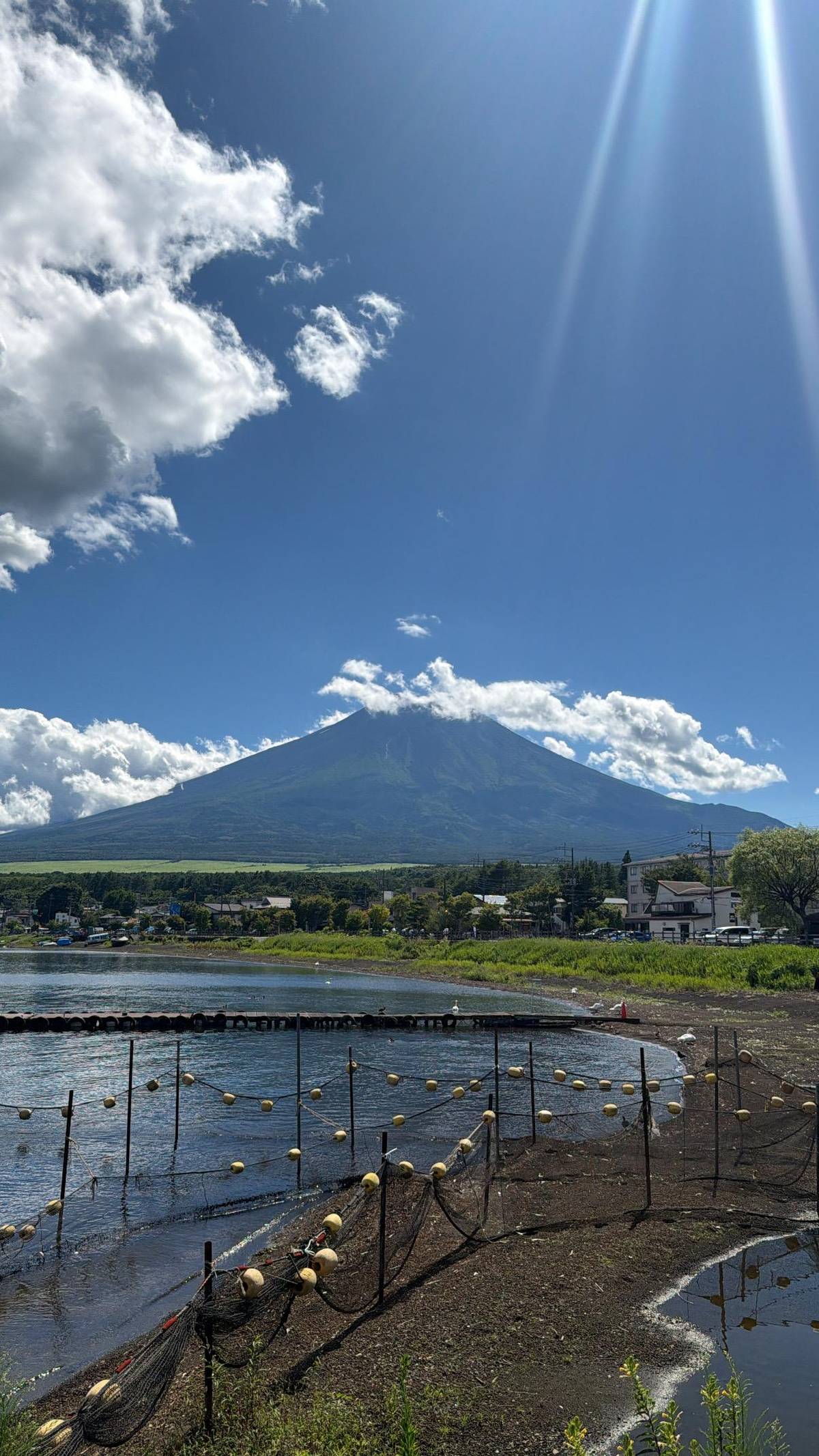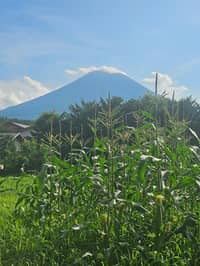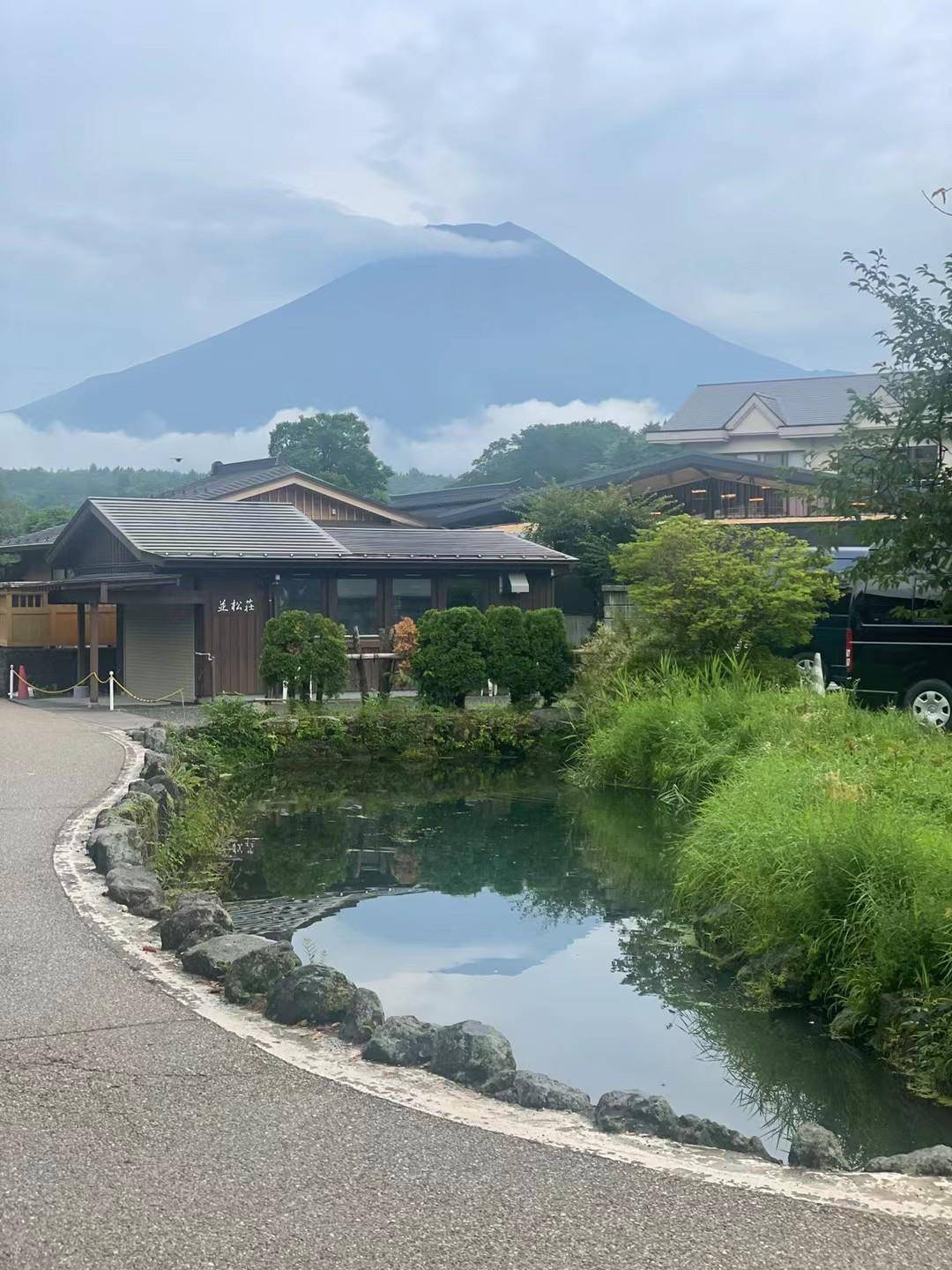
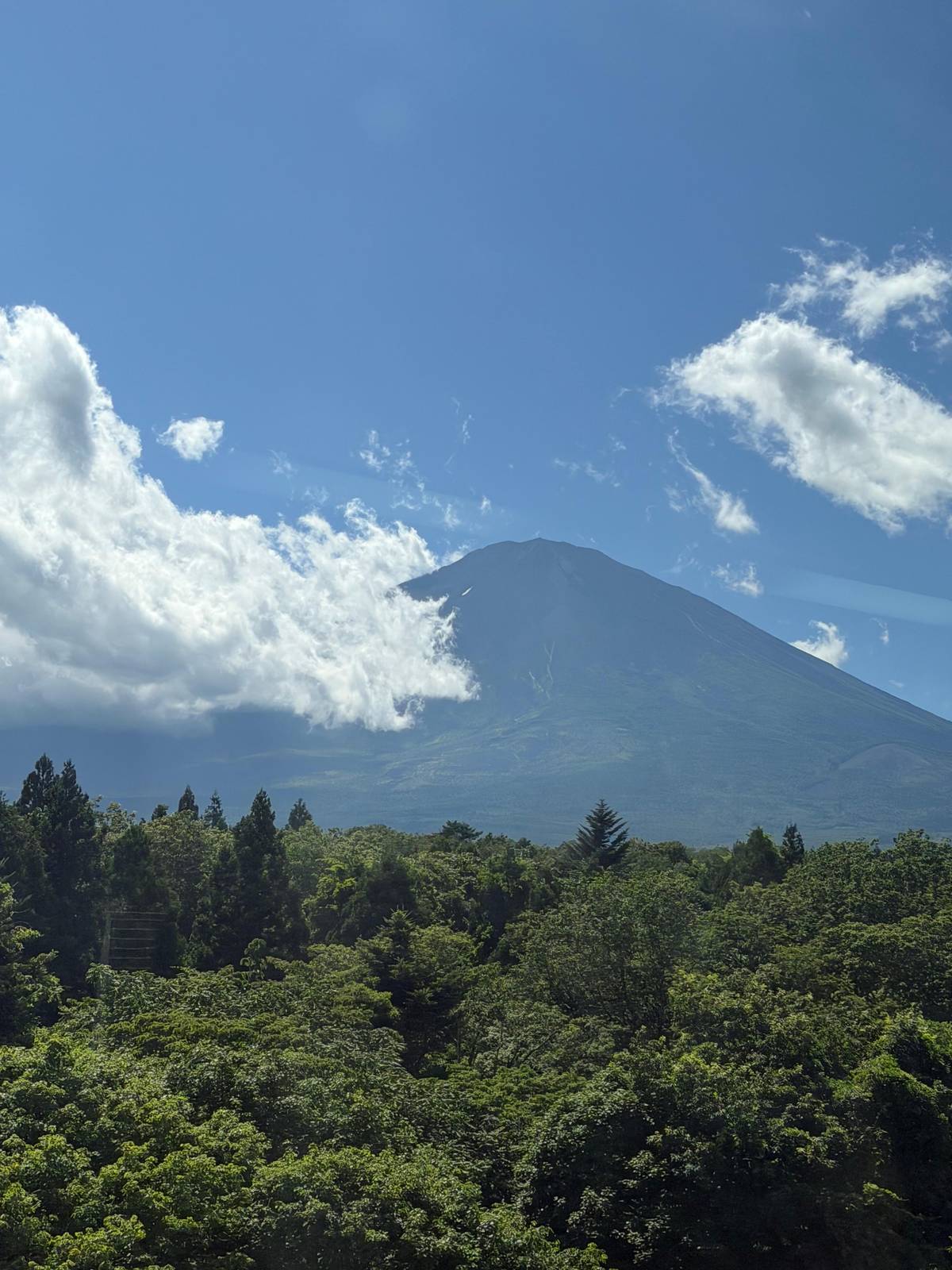
 Clearest
Winter
Snowy cone, sharp air
- Sunshine, January
- 212.3 hrs
- High, January
- 5.5 °C
- Bonus
- Diamond Fuji
Guides
Language
EnglishCurrency
US dollar · $GetYourGuide shows prices in the currency you choose.
Guide · Best time
Winter brings the clearest views, spring the blossoms, summer the climbing season and autumn the red maples. Here is what each month offers at the lakes and on the mountain.
Editorial team, mount-fuji-tour.comUpdated October 22, 20266 minutes to read19 sources
Quick answer
The best time to visit Mount Fuji depends on whether you want to see it, photograph it in bloom or climb it. For a clear view, Japan's tourism organization is plain: crisp, clear winter days give the best viewing conditions from afar, and the rainy season from early June to mid-July often hides the mountain in cloud.13
For flowers, spring and early summer bring cherry blossoms and then lavender to the lakes.7 For autumn color, early November turns the north shore of Lake Kawaguchi red.5 For the summit, only the short summer season will do: in 2026 the main trail was open from 1 July to 10 September.6
Every season works for a day trip from Tokyo; what changes is the picture you take home. Our featured tour runs the same Hakone and lakes route all year, and its operator states that the view depends on the weather and cannot be guaranteed.
The year at Fuji
December-February
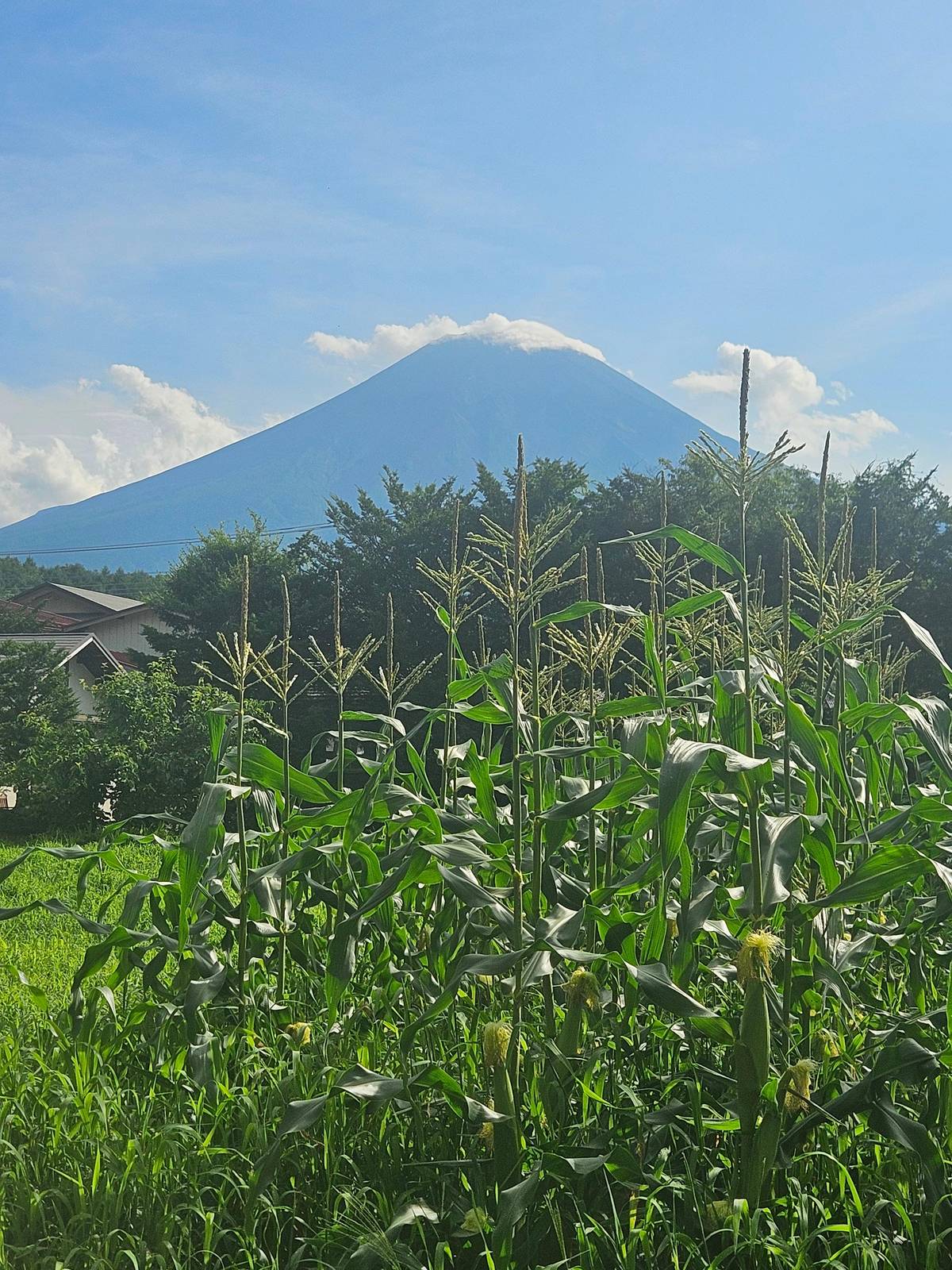
Crisp winter days give the best views from afar.1
Spring
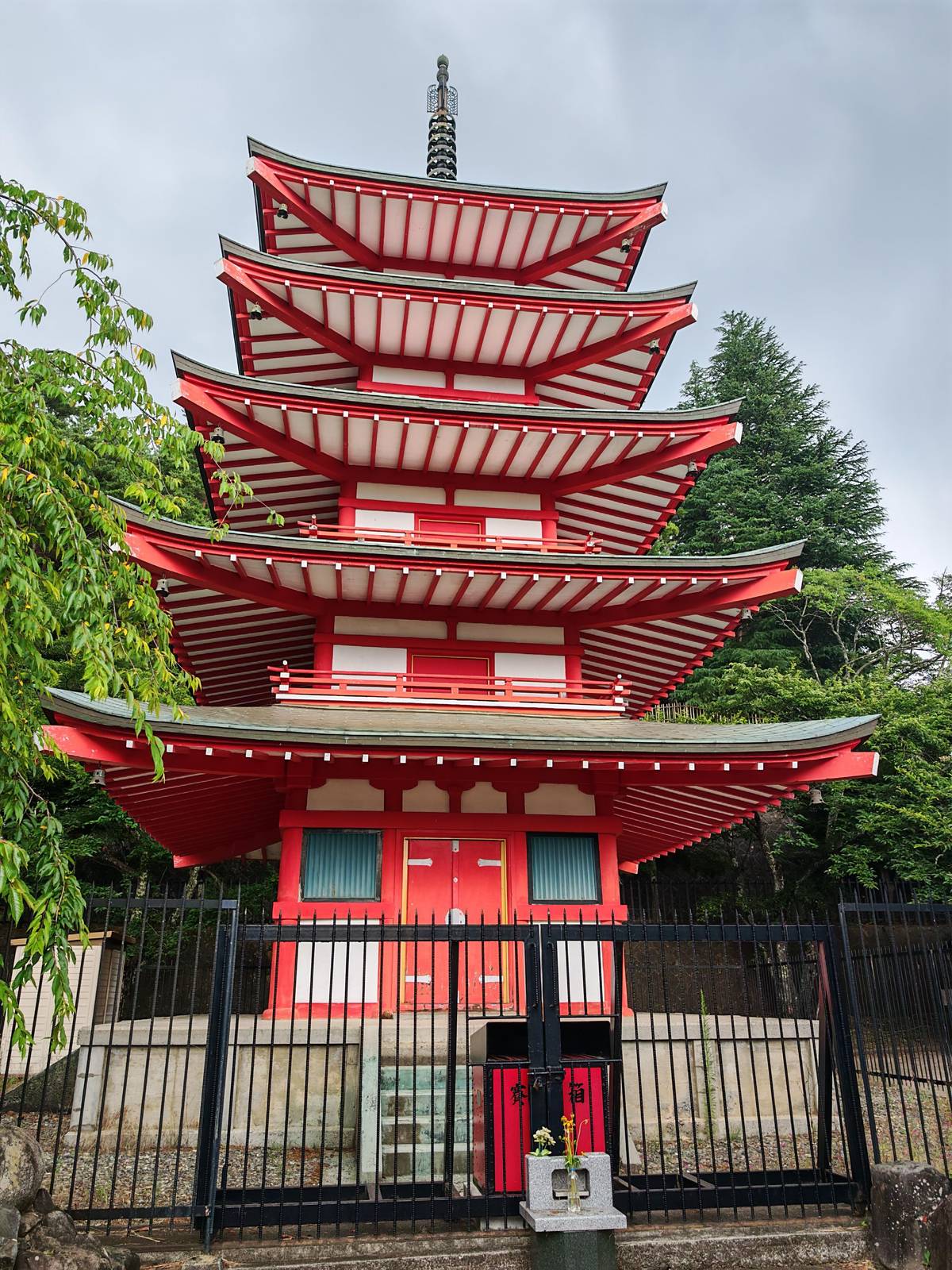
About 650 trees bloom around the Chureito Pagoda.4
Early summer
Oishi Park on Lake Kawaguchi blooms in early summer.7
June to mid-July
Fuji is often hidden by cloud.3
July-September
In 2026 the main trail opened 1 July to 10 September.6
Early November
The north shore of Lake Kawaguchiko turns red.5
When is Mount Fuji visible most often, then? In winter. The Japan Meteorological Agency's normals for Kawaguchiko, at the north foot, show January as the sunniest month with 212.3 hours, December next with 199.9, and June far behind on 122.8.289 Those are the weeks of sharp, snow-covered views, when the cone looks almost drawn against a deep blue sky and the lakes are calm in the morning. The low sun also keeps the light soft and golden for much of the day.
The price is cold. January at Lake Kawaguchi averages a daily high of 5.5 °C and a low of -5.7 °C, with only about 5 days of rain or snow of at least 1 mm.10 Dress for frost in the morning, and expect the lakeside paths to be icy in shaded places. Days are short, too, with about 10 hours of daylight in January by our calculation, so a day trip has little slack after sunset.10
Winter is also Diamond Fuji season, when the sun rises or sets exactly on the summit; Japan's tourism organization gives late October to late February for it.11 Some tours change their plans: one highlights day replaces its 5th station stop with lower areas in winter.
Month by month
Climate table
| Month | Daylight (h) | Darkness (h) | High / low | Wet days | Around Fuji |
|---|---|---|---|---|---|
| Jan | 10 | 14 | 6 / -6 °C | 5 | Clear winter days |
| Feb | 10.9 | 13.1 | 7 / -5 °C | 5 | Clear winter days |
| Mar | 11.9 | 12.1 | 11 / -1 °C | 9 | Spring |
| Apr | 13.1 | 10.9 | 16 / 4 °C | 9 | Spring |
| May | 14 | 10 | 21 / 9 °C | 9 | Spring |
| Jun | 14.5 | 9.5 | 23 / 14 °C | 12 | Rainy season |
| Jul | 14.3 | 9.7 | 27 / 18 °C | 12 | Rain, then climbing |
| Aug | 13.5 | 10.5 | 28 / 19 °C | 10 | Climbing season |
| Sep | 12.5 | 11.5 | 24 / 15 °C | 11 | Climbing season |
| Oct | 11.4 | 12.6 | 18 / 9 °C | 10 | Autumn |
| Nov | 10.3 | 13.7 | 14 / 2 °C | 7 | Autumn leaves |
| Dec | 9.8 | 14.2 | 9 / -3 °C | 5 | Clear winter days |
Average highs, lows and wet days of 1 mm or more, as measured and averaged by the Japan Meteorological Agency for 1991 to 2020. We calculate the daylight column for the middle of each month.10 Season according to Japan National Tourism Organization.1
Three seasons compared
ClearestSnowy cone, sharp air
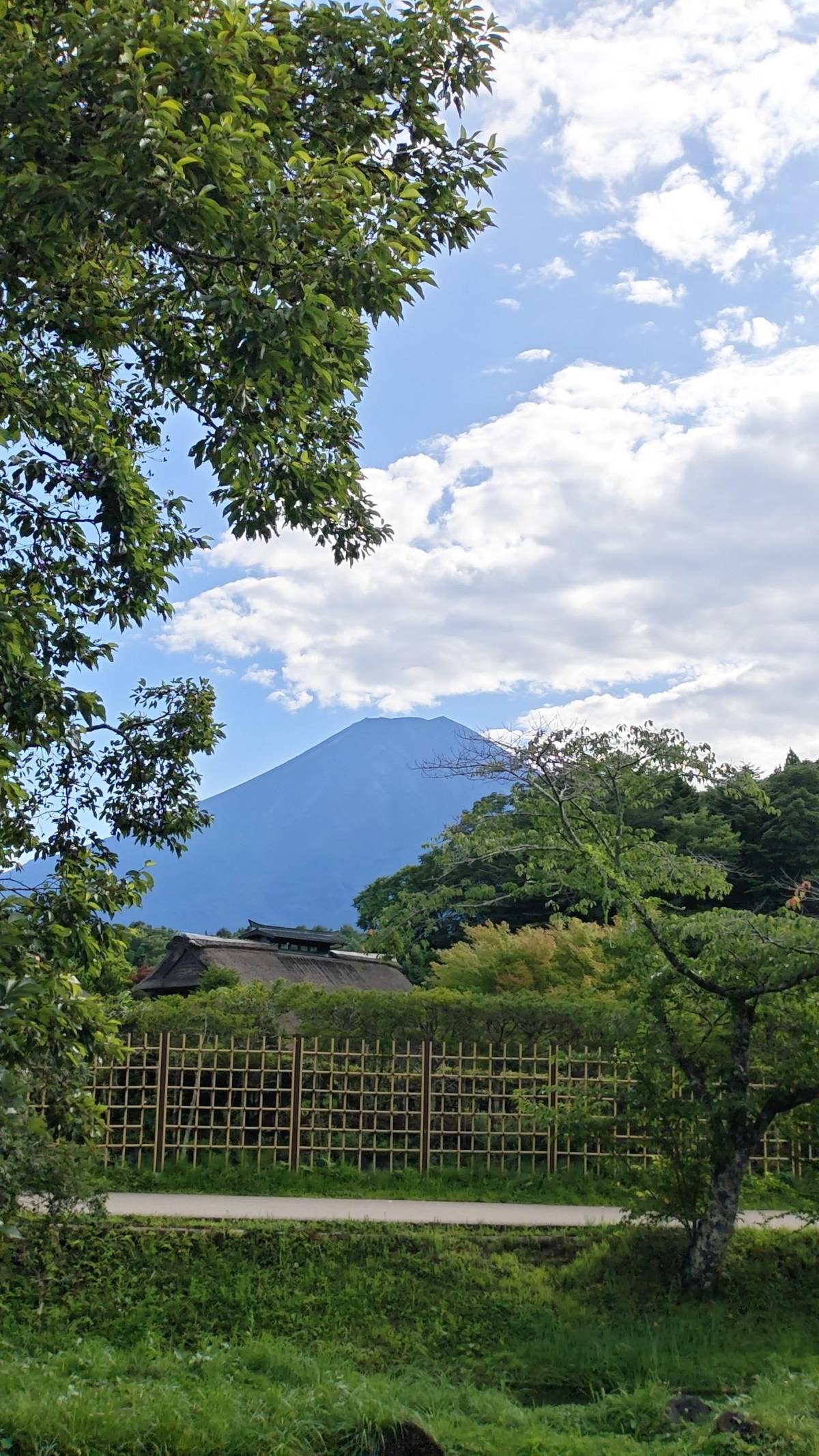 Most famous view
Blossoms and snow above
 Colors
Red maples by the lake
Decision helper
Match your goal to the calendar
From afar, crisp, clear winter days offer the best viewing conditions
Spring is the season of the most famous picture of all. At Arakurayama Sengen Park about 650 cherry trees bloom around the five-story Chureito Pagoda, with the mountain behind.4 Japan's tourism organization also suggests Ubuyagasaki on Lake Kawaguchi for snow-capped Fuji framed by blossoms.7
For Mount Fuji cherry blossoms, the timing changes from year to year, and the lakes lie well above Tokyo, where the trees bloom earlier. On the Urui River at the southwestern foot of the mountain, the tourism organization notes that the banks are especially beautiful in early April.12 Check bloom forecasts in the weeks before you travel and keep your plans flexible. A tour you can cancel free up to a day before lets you move with the blossoms instead of guessing months ahead.
Temperatures rise quickly through spring. April at Lake Kawaguchi averages a high of 16.1 °C, and May reaches 20.6 °C, with 185.5 hours of sunshine in April and 181 in May.101314 Late spring, before the rainy season, combines mild days with a fair chance of a clear morning.
Checklist
Cost calculator
Enter your group size to compare days that run all year.
Total from$107
per participant from $54
Check availabilityfree cancellationTotals here are a quick sum: the listing's GetYourGuide from-price times your party size, turned into your currency at the ECB rate for today. The final amount appears only at checkout.
Video
The video loads only when you tap play.
Early summer is the weakest time for views. The rainy season runs from early June to mid-July, and June has the fewest hours of sunshine at Kawaguchiko after September.39 June averages about 12 days with at least 1 mm of rain.10
From July the mountain opens for climbing. In 2026 the Yoshida Trail opened on 1 July, and the official site warns that climbers increase from mid-July, especially at weekends and during the Obon holidays.615 At the lakes, August averages a high of 28.1 °C, while the summit station's August high is only 9.5 °C.1016
Summer also brings green lakeshores and early-summer lavender at Oishi Park.7 If your only chance is July or August, go anyway, start early and plan the day around places that are beautiful in cloud: the ponds of Oshino Hakkai, the lakes and the shrines. Pack an umbrella and a light layer; afternoons at the lakes can be warm and wet in the same hour, and evenings by the water feel cooler than Tokyo.
At Kawaguchiko the wettest month of the year is September, which collects 264.7 mm and only 122.5 hours of sun.1017 October is still wet, with 230.0 mm, but the air begins to clear as the month goes on.10 Choose a weekday in October and November if you can, as you would in any popular season.
The color peaks in November. Japan's tourism organization places the turning leaves along the northern shore of Lake Kawaguchiko in early November.5 One tour states that from 6 to 29 November it replaces a park stop with the lake's maple corridor, and another gives the corridor's peak as 26 October to 20 November.
November is also when the winter clarity returns: Kawaguchiko records 165.8 hours of sunshine and only 76.0 mm of precipitation.1810 With snow on the summit, red leaves below and fewer clouds, November makes a strong case for a visit.
Whatever the month, the morning is your friend. Japan's tourism organization advises early morning or late afternoon for close-up views of the mountain.19 Cloud often builds on the slopes during the day, especially in the humid months.
That is one reason tour timings matter. Our featured tour meets in Tokyo at 8:00 AM or 8:30 AM and reaches Hakone mid-morning, with the lakes in the afternoon.
If you stay overnight at the lakes, set an alarm. In the cold months a clear dawn over Lake Kawaguchi is worth getting up for, and even in summer the first hour of light gives you the best odds of seeing the summit before the haze rises.
For views alone, choose December to February, and accept the cold. For blossoms, aim for early to mid-spring and watch the bloom forecasts. For autumn leaves with a clearing sky, choose early November. For the summit, book a hut and climb in the summer season.156
Avoid building a trip around a clear view in June or early July. The rainy season makes that a gamble, and a day at the lakes then is best enjoyed for the water, the gardens and the ponds rather than the mountain.3
Whichever month you pick, book a day with free cancellation and watch the forecast. Our featured tour lets you back out free of charge until 24 hours before, and payment can wait. That lets you move the day if the mountain looks set to hide. If you have a few days in Tokyo, keep the Fuji day for the first clear forecast rather than fixing it at home; it is the simplest way to beat the odds in any season.
Your day at Fuji
Meet at Tokyo Station or Shinjuku, pick a date, and cancel free up to 24 hours before.
January, then December. January averages 212.3 sunny hours at Kawaguchiko, December 199.9.28
Early June to mid-July. Japan's tourism organization says the mountain is often hidden then.3
In spring; dates vary. About 650 trees bloom at Arakurayama Sengen Park; the Urui River peaks in early April.412
Early November. That is when the north shore of Lake Kawaguchiko turns, says Japan's tourism organization.5
In the summer season. In 2026 the Yoshida Trail was open from 1 July to 10 September.6
Below freezing at night. January averages a high of 5.5 °C and a low of -5.7 °C at Lake Kawaguchi.10
Late October to late February. The sun rises or sets on the summit, seen from the right spot.11
Sources